
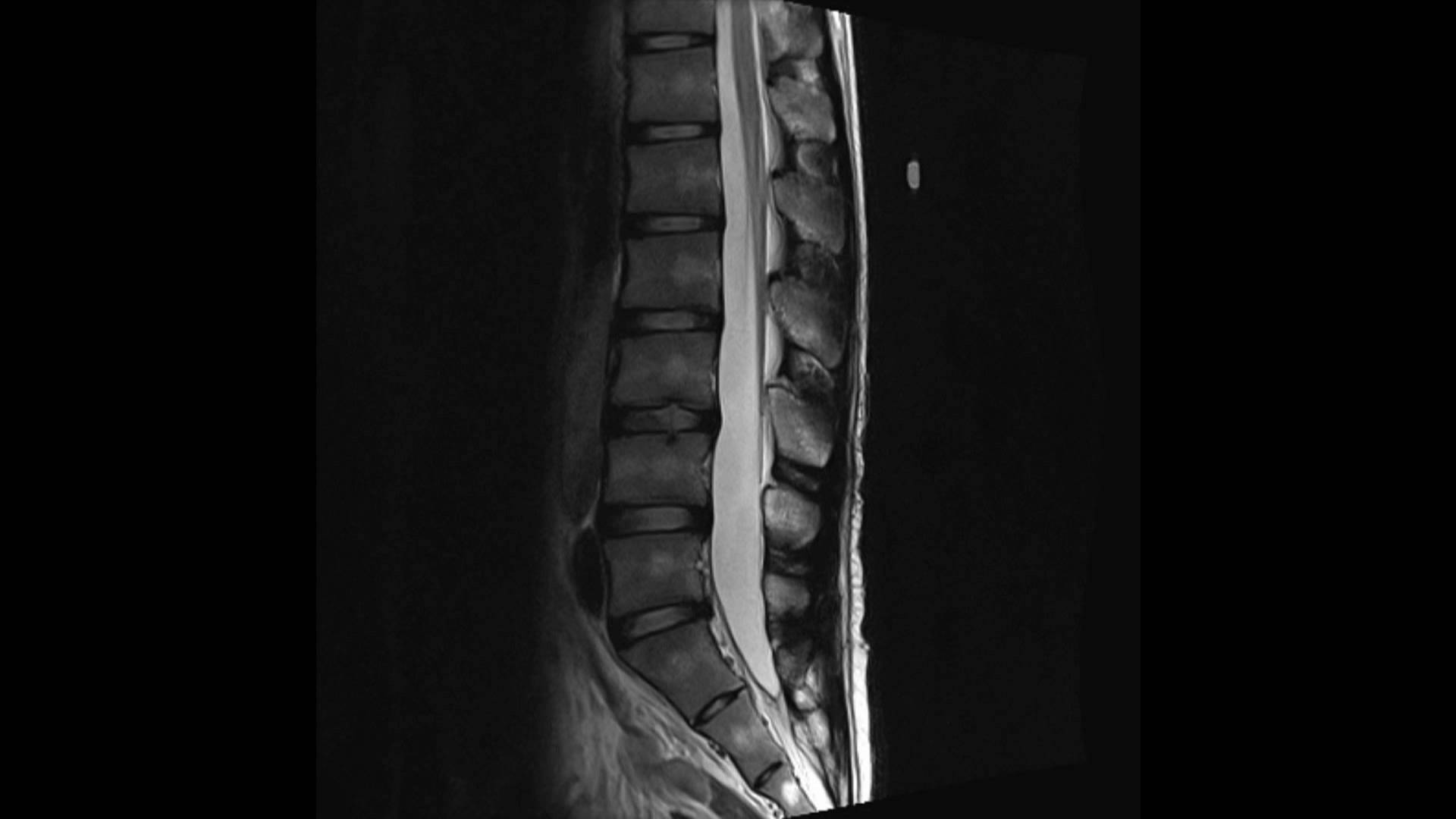
Low back pain (LBP) is listed as one of the top 3 reasons why people visit their physician, with as many as 80% of Americans experiencing at least one episode of low back pain in their lifetime. LBP can be severe and often disabling, and can frequently lead to emergency room visits, numerous expensive tests, and a variety of different medications. The most common prescribed tests are X- Rays and Magnetic Resonance Imaging (MRI), which can provide excellent images of bone and soft tissue pathology. X-rays provide a picture of the bone structure of the spine, and can show arthritic or degenerative changes as well as bone fractures. MRI’s can display these same bone changes, as well as disc, ligamentous, and soft tissue injury.
While both of these tests give a clear picture of your spine, they cannot give you a clear reason why you are experiencing symptoms. Studies have shown that MRIs often display lumbar disc abnormalities, including the much feared disc herniation, in up to 75% of patients who are not experiencing any symptoms. Disc degeneration and bulging discs can be found on images in 90% of people over the age of 60, regardless of whether they are experiencing any symptoms. The reality is that there are many changes that occur in the spine as we age, and these changes can start to occur as early as your mid – twenties. While many of these changes can appear as potential serious pathologies on an MRI, they are often normal and common anatomical changes. Imaging can lead to unnecessary testing, follow-up appointments and referrals, as well as invasive surgical procedures of limited or questionable benefit, all of which increase health care costs and have the potential to cause harm and fear. Current research demonstrates that overuse of MRI’s is related to an increase in surgical procedures that are not consistently shown to significantly reduce pain or improve daily function.
Despite these negatives, there are still some indications when an MRI would be appropriate to rule out more serious pathology.Below are some red flags your therapist would screen for that would potentially warrant further imaging.
- Bowel/Bladder changes
- Sudden unexplained weight loss
- Fever, chills, loss of appetite
- Sudden weakness in lower leg
- Major trauma
- History of cancer
So, how can you be diagnosed and treated if these expensive images cannot explain why you are experiencing symptoms? The good news is that the most effective way to determine a course of treatment is through a comprehensive physical examination, conducted by a licensed Doctor of Physical Therapy. Physical Therapy has been shown in numerous studies to be an effective course of treatment for both localized and radiating low back pain, regardless of having imaging done. A Physical Therapist can assess your movement mechanics, muscle function, postural habits and instabilities to determine source(s) of pain and set an appropriate course of treatment. In New York State you can now directly see a Physical Therapist without a doctor’s prescription, avoiding any delay in treatment.
If you begin to experience LBP, find a physical therapist and make an appointment immediately, so you can start the correct treatment program for you.
Click here to make an appointment at one of our practice locations in New York City, Westchester or Connecticut.
Moving you back to health!
Toni Palotta, PT, DPT, OCS, CHT
Join the conversation