Blog

Latest News and Updates

wpid-wp-1413859376904.png

Heal Shoulder Pain Before Summer Begins

Is shoulder pain affecting your plans for the summer?

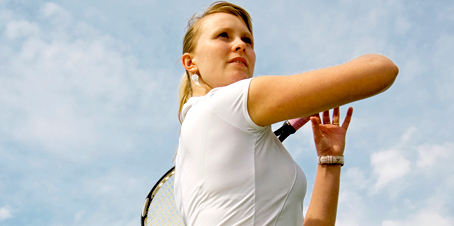
As summer approaches many experience shoulder pain, typically due to increased activity. Whether you aspire to athletic endeavors such as golf, baseball, tennis or prolonged activities such as gardening, shoulder pain is often the first sign of a muscle imbalance and weakness.

Rotator cuff problems are one of the many injuries we treat and resolve at Premier Physical Therapy. The two most common questions patients have for us are:

  1. What does this diagnosis mean?
  2. How can physical therapy help me return to normal?

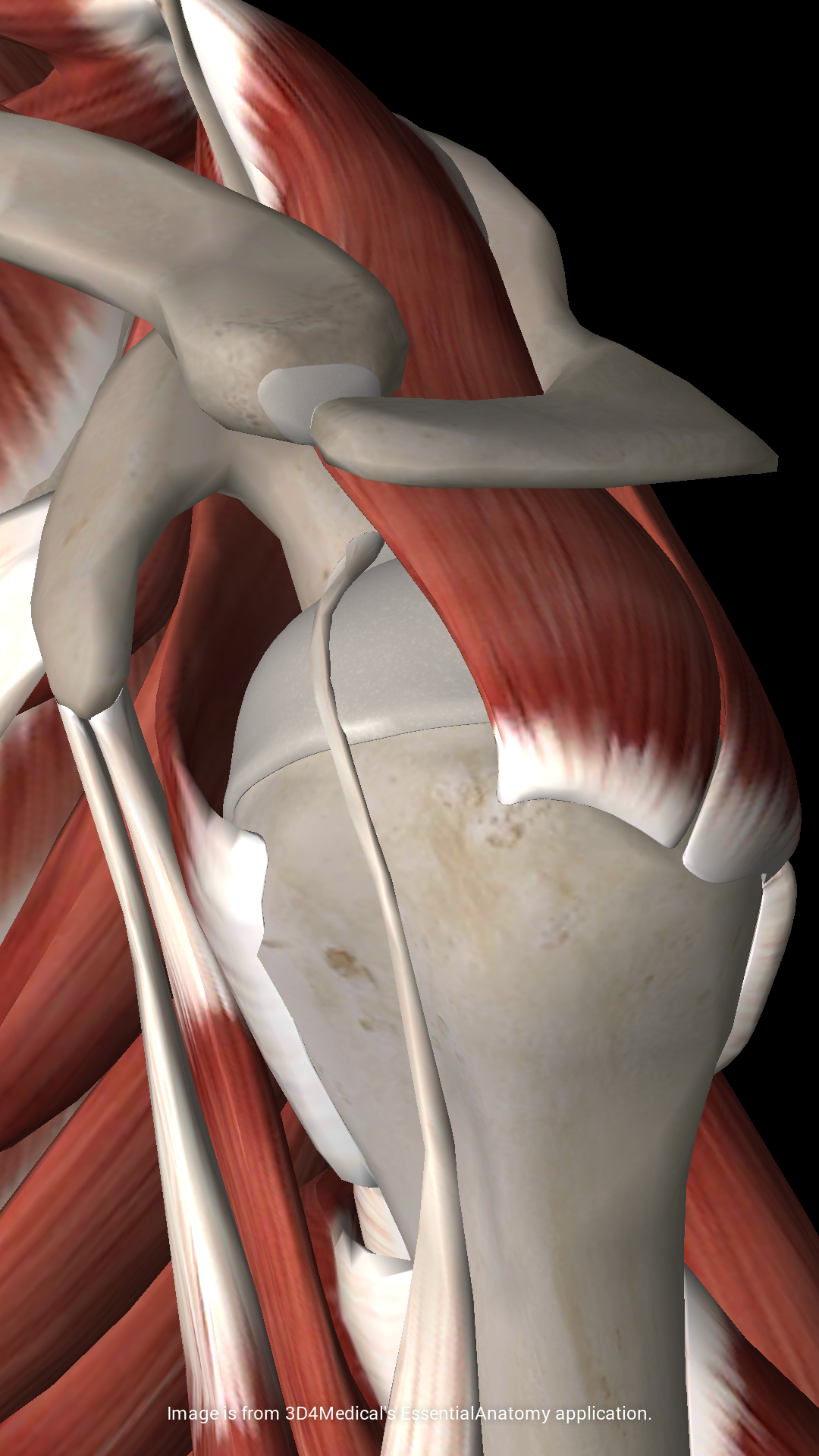
The shoulder is an extremely complex area of the body made up of four joints and a multitude of supporting ligaments and muscles. These structures work together to allow mobility needed to perform activities such as reaching to a high shelf or playing tennis. Sinceshoulderingtheburden there is minimal stability within the shoulder, it is critical for all muscles to work together providing support during movement. When compromised, rotator cuff problems can occur resulting in pain with activity.1 Changes such as tendonitis, muscle tears and bone spurs are common. Muscular imbalances and ligament tightness within the shoulder joint are often the cause and can be treated conservatively, without surgery.2

After completing a comprehensive evaluation, your physical therapist will create an individualized program based on their findings. Common goals of header04physical therapy are to help relieve pain, improve mobility and strengthen weak musculature while educating the patient on techniques to keep their shoulders “happy” and pain free.  One key area that can help to relieve shoulder pain is posture. It has become more common for people to spend long periods of the day sitting in front of a computer. This causes people to demonstrate a rounded shoulder posture due to adaptive shortening of their pectoral muscles and weakness/adaptive lengthening of their scapular stabilizer muscles. By elongating (stretching) the tight pectoral muscles and strengthening the scapular stabilizer muscles the scapula is able to be in its proper position on the body, which can help to improve mobility. As a result, there will be less stress on other structures within the shoulder reducing compression on the rotator cuff muscles. It is also common for physical therapists to focus on strengthening the rotator cuff muscles utilizing therapeutic exercises. This is critical since these muscles are extremely important to provide support during quick or extreme movements. As therapy progresses, you will begin to incorporate sport or recreational activity specific activities so that you can get back on your field of choice or into the garden.

Citations:

  1. Neer CS. Impingement lesions. Clin Orthop. 1983; 173: 70-77.
  2. Ellenbecker TS, Manske RC, Kelley MJ. The shoulder: physical therapy patient management utilizing current evidence. In: Current Concepts of Orthopaedic Physical Therapy. 2011; 3: 20-29.
read more
Joe TattaHeal Shoulder Pain Before Summer Begins
bikes.jpg

Proper Road Bike Fit to Prevent Injury

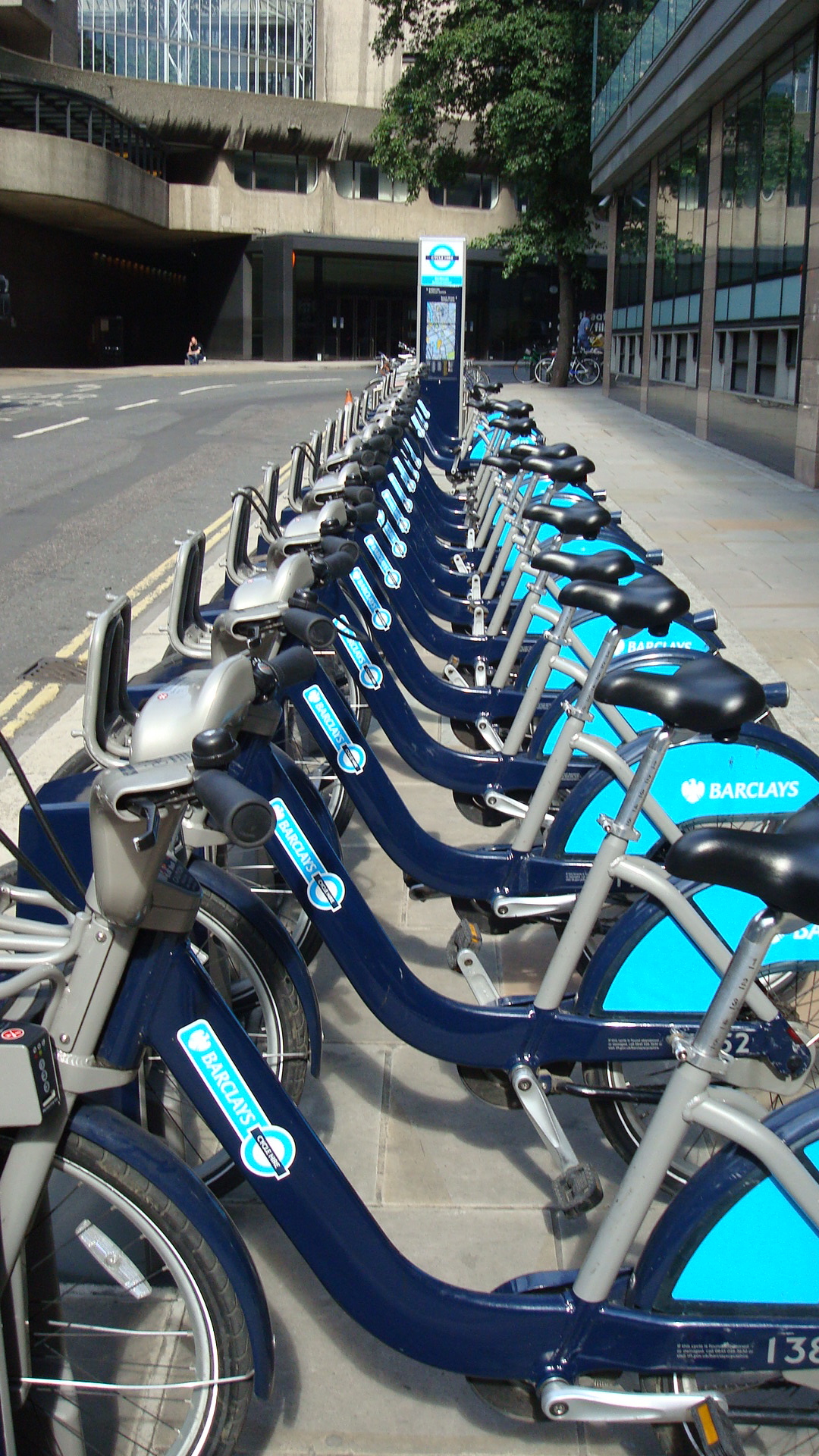
Warmer weather is finally here and with it brings a new season of recreational and serious cyclists to the open road. I sometimes get questions about proper bike fit, so here are the general “tips” or “rules” that go along with fitting yourself on a road bike. Like all sports, fitting yourself for a bike can vary depending on what bike you’re using, so always ask a trusted physical therapist, or get fitted at a bike shop that knows what they’re doing!

Stand Over Height

When choosing a bike, you should be able to stand over the top tube with at least 1” of space with a straight tube, and 2” or more with a tube that slopes towards the back of the bike. You can test this by standing over the top tube and lifting the bike up to meet your body. There should be at least 1” space from the tire to the ground. Mountain bike riders sometimes have 3-5” clearance due to the extra demands of the landscape. Stand over height is important should you need to dismount quickly, and is the first step in sizing your bike. If your stand over height is not good, all the other measurements will not be 100% accurate.

Seat Height

The height of the seat will determine the amount of knee extension you have, and even affect the stability of your pelvic floor. Having a seat that is too high can diminish the power your legs can make, leading to excesimagess stress on the muscles on the back of your leg. You may have too high a seat height if you’re rocking side to side on your saddle, which can cause undue stress on the glutes, spine, even your arms! Having a seat that is too low will increase the amount of knee bend, which increases the pressure on the knee cap. It also doesn’t allow the glutes/calves/hamstrings to work as efficiently as they should.

You can determine proper seat height (on a road bike) using the” Le Mond Method.” Measure your inseam (without shoes) and multiply that by 0.88 to get your seat height. Then measure from the base of the crank arm up along the seat tube to the top of the saddle, adjusting the saddle up or down to match that number.

Seat Fore/Aft Position (forward/backward)

The distance the seat or saddle is from the handle bar is known as seat fore/aft position. Too far forward can increase knee cap pressure, too far backward can over lengthen the glutes/hamstrings, making them less efficient during a pedal stroke.To measure proper seat fore/aft position, have someone hold the bike still for you and get on. With the crank arm (the lever that holds the pedal to the front gear/derailleur) parallel to the ground, the area right below your knee cap should align with the ball of your foot on the pedal. Cyclists who have poor hip mobility will need to be more forward/fore with their saddle. Your physical therapist can work on improving your hip mobility. Larger cyclists may be more comfortable more aft (backward) with their saddle.

Saddle Angle/Seat Inclination (tilt)

It is recommended that the tilt be kept at 0 degrees, though there is one study that demonstrated that a tilt forward of 10-15 degrees decreased the incidence of LBP in recreational cyclists.

Reach

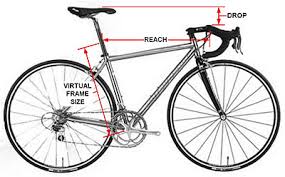
This is basically how far your arms have to reach to touch the handlebars. This varies with rider and bike, however ideally a rider on a road bike without aerobars would want the back to not arch, pelvis to be rolled forward, have retracted shoulder blades, unlocked elbows, and relaxed upper arms with the elbows slightly bent.

Crank

This is the part of the bike that connects the pedal to the front derailleur. This is commonly overlooked on bikes, as most recreational bikes have a standard 170mm length. Shorter bicyclists (under 5 foot 6 inches) should have cranks less than 170mm as longer cranks can cause increased pressure on the knee and can result in knee pain. Riders shorter than 5 foot 3 inches should have a crank size between 167.5 and 165mm. Riders who are greater than 6 feet in height should have a crank that is around 177.5mm. It appears that riders who are average in height (5’7”-6’) do not need to worry about crank size.

Cleats

For those road bike warriors who use cleats, there are numerous brands, types and fits. Generally the idea is to have enough “float” or movement, to allow the cleat to detach from the pedal if needed (e.g. to get off the bike in a hurry) without too much excessive movement when pedaling, which is known as “slop.” Cleats transfer the force of your legs to the pedal/crank. Cleats should have a “low stack height,” which basically means the closer the cleat can come to the pedal the better, almost as if your foot and the pedal were one unit. A properly sized cleat “has a midpoint that the foot will sit at most of the time, with a small amount of force required to move off that midpoint.” The base of your metatarsals (the long bones of the foot just before the toes begin) should align with the axis of rotation of the pedal.

Enjoy the ride!

Vito Pinto, DPT

References:

Brukner, P., Khan, K., Bahr, R., Blair, S., & Cook, J. (2012). Clinical Sports Medicine (4th ed.,pp. 93-112). Sydney, Australia: The McGraw-Hill Companies.

Salai M, Brosh T, Blankstein A et al. Effect of changing saddle angle on incidence of low back  pain in recreational bicyclists.


read more
Joe TattaProper Road Bike Fit to Prevent Injury
Joe_Tatta_5.22.13_184_RT.jpg

The Corporate Athlete- Healing Injury In the Workplace [ergo consultation]

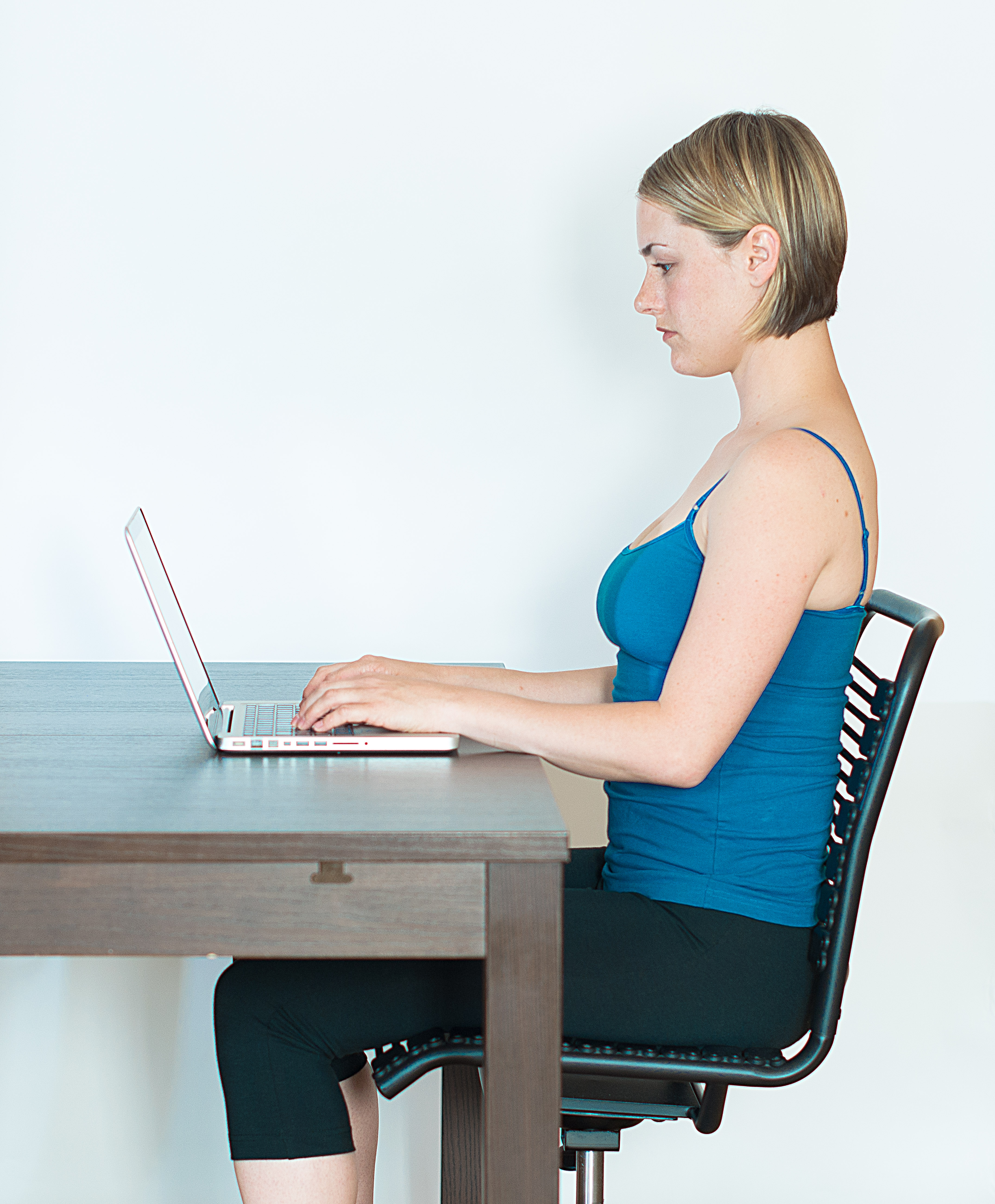
Ergonomic injuries are on the rise in the workplace. One would expect the typical physical therapy practice to be inundated with sports injures and athletes. The real athletic challenge today is sitting at your desk. Being a corporate athlete can be worse than a game of tackle football!

Sitting for hours at a time, day after day can lead to a variety of injuries including:

The following are guidelines for an ergonomically-sound computer workstation.

• Keep your shoulders in a relaxed position (the use of arm rests is encouraged).
• Keep your arms positioned close to your body.
• Forearms and wrists should be parallel to floor.
• The top of the monitor should be directly across from your eyes.
• Allow for at least 16 inches between your eyes and the monitor.
• Keep your feet flat on the floor or slightly elevated.

Watch the video below by on of our Doctors of Physical Therapy for free tips on a proper ergonomic setup and positioning.

read more
Joe TattaThe Corporate Athlete- Healing Injury In the Workplace [ergo consultation]
KneePain.jpg

A Recipe for Joint Health

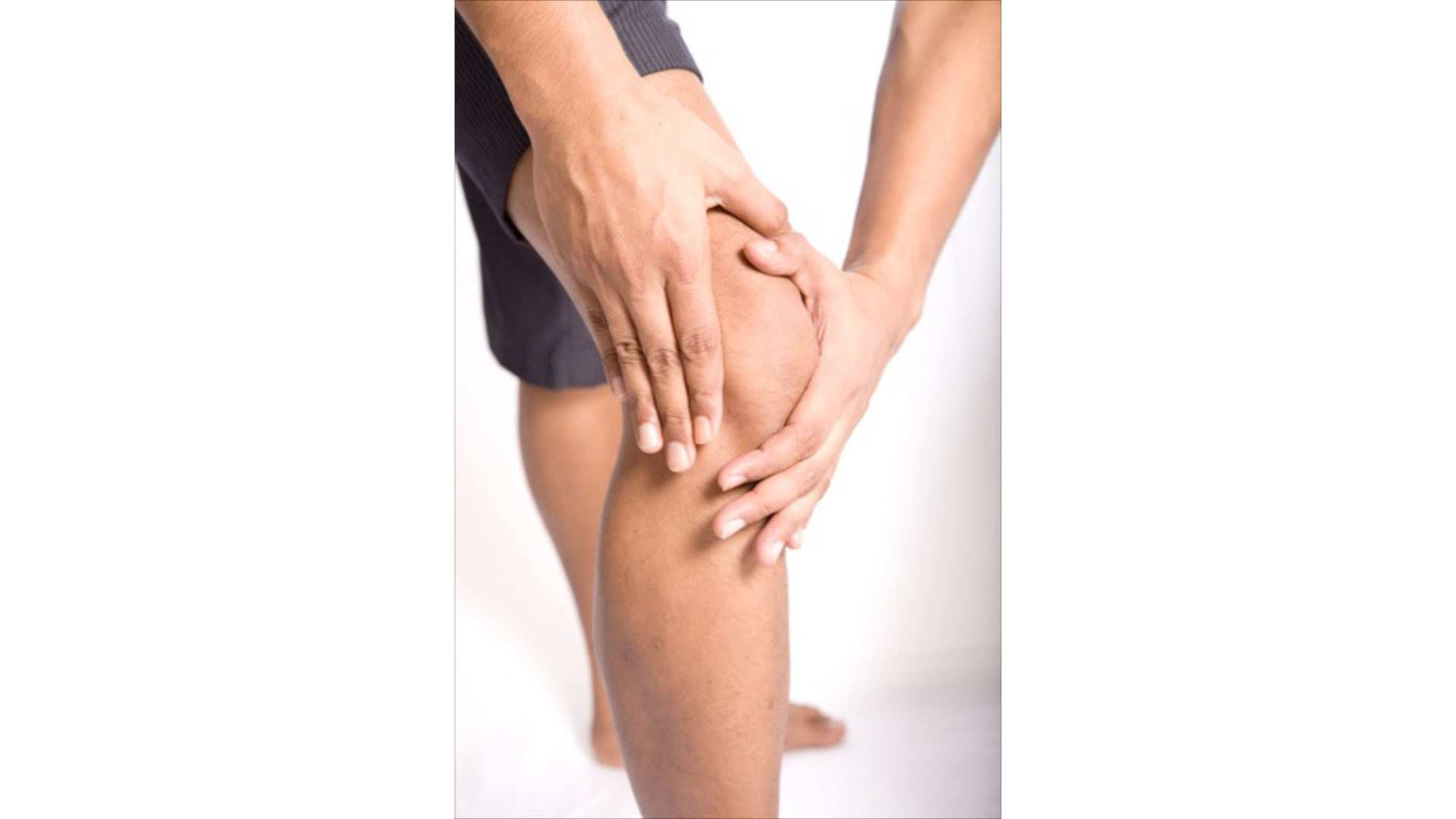
Our joints go through a lot every day, whether it’s simply standing or walking, or even sitting while at school/work. It is essential to protect our joints in order to reduce pain and allow us to participate in all of the activities we want. Remaining active with regular exercises is not the only way to take care of your joints — what you put into your body can also have an affect. A healthy and diverse diet can directly contribute to joint health via nutrients, and can also help with weight loss, which makes life a lot easier on your joints. Studies have shown that losing 1 pound of body weight can result in a reduction of 4 pounds of joint stress in the knees. Add this up for every step you take during your day, and you can really save a lot of work on your knees. The focus of my article today is to help you get the nutrients your joints need and easy ways to promote weight loss with diet modifications. Here are the ingredients required for good joint health.

 Calcium and Vitamin D

Calciumimages is an essential mineral and is stored in our bones. Vitamin D is needed as it helps absorb the calcium we ingest. Without adequate Vitamin D levels, eating foods rich in calcium won’t help you out very much. Calcium is required for basic body functions including the ability of the bones to withstand force. Calcium and Vitamin D can be found in:

Calcium – dark leafy greens, dairy products (milk, cheese, yogurt), nuts, fish.

Vitamin D – produced by the body with exposure to sunlight without sunscreen for about 10-20 minutes.

Omega- 3 Fatty Acids and Antioxidants (Vitamins A, C, E)

Omega-3 fatty acids help reduce inflammation (swelling). As we use our joints more or if we have pain in our joints, the body responds with inflammation to the area as a protective response – however, this inflammation can further contribute to pain and reduce range of motion. Anti-oxidants help fight off free radicals, which can promote inflammation and can further damage joints. Found in:imgres

Omega-3 – halibut, salmon, shrimp, nuts, whole grains, fish oil.

Antioxidants –fruit, dark leafy vegetables, carrots, almonds, avocado

Fiber

Fiber plays a role in reducing blood glucose levels, which have been linked to inflammation. In addition, foods high in fiber help digestion and typically make you feel fuller for a greater time, which in turn helps with weight loss. Found in:

Fruit, vegetables, beans, whole grains, nuts and seeds.

Protein

Protein is the essential building block for muscle, bone, and tissue including joints. Regular primgres-1otein intake will ensure that the body has the resources necessary to protect its joints as well as the muscles that surround each joint. Lean protein is recommended as it contains less fat and therefore will help contribute to weight loss. Found in:
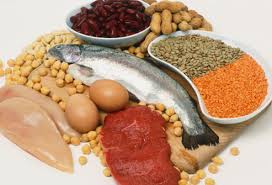
Chicken, turkey, free-range grass-fed beef, fish, beans, soy.

Water

Joints have fluid running through them to act as both lubrication but also a source of receiving nutrients from the blood. Remaining hydrated will ensure a greater blood volume with better delivery of nutrients to the joints, as well as increased lubrication for smoother and less painful motion. It is suggested to have roughly 0.5-1.0 oz of water per pound of body weight.

Supplements

Due to poor dietary choices and access the average American is deficient in many essential vitamins, minerals and other nutrients, which are the building blocks for healthy joints. Obtaining nutrients from organic, unprocessed foods should always be your first choice. However there may be times when your body requires additional nutrients via supplementation due to injury or poor diet. Here are the top two for joint health.

 Glucosamine and Chondroitin

Key components of cartilage, which makes up joint tissue. Although naturally produced by the body, supplementing may be necessary when joint pain or arthritis is present. Glucosamine/chondroitin has been scientifically researched and found to aid with joint health.

 Curcumin, Ginger & Bromelaine

Studies have shown curcumin, ginger and bromelaine to have anti-inflammatory effects, decrease pain an increase joint health. Curcumin is naturally occurring in the spice turmeric and bromelaine is an enzyme found in pineapple. Ginger is a commonly used in teas and stir-fry.

Now that you have a wide variety of foods to choose from, here are some suggestions for meals/snacks that will not only promote joint health, but also weight loss.

 Breakfast:

Low fat milk with low-sugar whole grain cereal

Low fat Greek yogurt with a berry medley topped with whole grain oats

2-egg omelet with spinach, avocado and low-fat cheese

Ginger tea

Orange Juice

Lunch/Dinner

Spinach and arugula salad with lean chicken, tomatoes walnuts, flax seed with freshly-squeezed lemon juice dressing

Grass-fed, free-range beef or turkey burger with whole-wheat bun accompanied with a dark-leafy green salad

Grilled salmon crusted with almonds served with a side of roasted broccoli and brussel sprouts

Tuna sandwich with a cabbage slaw

Lean grilled chicken with a cucumber-mint yogurt sauce wrapped up in flatbread with red bell peppers and cucumbers

Snacks and Sides (Instead of reaching for that bag of chips, try these)

Carrots, celery, and other crunchy vegetables with low-fat hummus

Low-fat Greek yogurt

Vegetable/Fruit Juices

Fruit (Apple, banana, pineapple, orange, etc)

Mixed nuts

These are just a few options but you now have all the ingredients to get creative and protect your joints at the same time. Remember! A program to rehabilitate an injured joint from trauma, surgery or disease should include physical therapy combined with sound nutrition principles. This will be the quickest path to healing.

In good health,

Mohit Birdi, PT, DPT, CSCS

References:

http://education.athletesperformance.com/articles-2/articles-from-ap-specialists/using-nutrition-to-support-joint-health/

http://www.arthritistoday.org/what-you-can-do/eating-well/arthritis-diet/eat-to-beat-inflammation.php

http://healthyeating.sfgate.com/bone-joint-nutrition-4741.html

http://www.naturemade.com/resource-center/articles-and-videos/joint-and-bone-health/food-and-nutrients-that-fuel-joint-health


read more

Joe TattaA Recipe for Joint Health

Gentle Exercise for Neck Pain & Improved Posture

After low back pain, neck pan is number two on the list of painful conditions.

What has your medical specialist recommended to decrease your neck pain? Pills or posture?

Pills are temporary and don’t fix the real ill. We all struggle with maintaining good posture. For some poor postural habits are caused by the computers, phones and tablets we are connected to each day. For others you are not getting the recommended amount of weekly exercise. Rarely is it due to age or degeneration. Your body was designed to move you through life. With a little care and maintenance pain will never be a chronic problem.

You can learn a few simple techniques to improve your posture and decrease your pain. If you work these into your program you might even abolish your pain for good!

Watch the video below to begin

read more
Joe TattaGentle Exercise for Neck Pain & Improved Posture
maxresdefault.jpg

5 Reasons To Join Team Premier!

Near Work and Play

Whether it’s in the heart of midtown, the historic Murray Hill district, the brownstones of the Upper Westside or the trendy storefronts of the Upper Eastside, Premier PT clinics are all strategically located in hotspots throughout Manhattan. We are close to public transportation, popular restaurants, and major shopping areas. Our newest clinic at Dey St. is at the center of the financial district which is making a great come back. We are proud to be one of the businesses helping to bring lower Manhattan back to life. Our Westchester County and Southern Connecticut clinics are also centrally located in downtown areas walkable to local cafés and other services. All of our 13 clinics are in convenient neighborhoods well-situated for the up and coming PT.

Scheduling Flexibility

As a Premier PT, you would be working at least two evenings per week, which means you’ll be able to sleep in a few days and hit the gym before coming in to work. On the other days, you’ll come in early and will be able to leave earlier in the day, to hit the gym again, or get home in time to prepare a tasty gourmet dinner for your friends or family. If you need to catch up on documentation, you’ll have the option for remote access from your home so you can finish up a patient file while checking Facebook. The flexible schedule provides the best of both worlds and gives you enough time outside of the office to get your life organized!

Mentorship

Your experience at Premier will include a transition period of mentorship, where you’ll be oriented to office policies and procedures have time to integrate yourself into the practice, practice manual therapy techniques, post-surgical protocols, sports progressions and meet with your clinic director for one-on-one mentorship meetings. This will also be a great time for you to get acclimated to the ever changing world of medical billing and insurance documentation. Also, clinics hold weekly in-services where PTs are able to bring back and share what they’ve learned at Continuing Ed courses, or a staff member leads a session on recent research or other topics. Whether you’re a new grad or a PT with a few years’ experience under your belt, our mentorship program and ongoing training is one of the top reasons to join the Premier team.

Watch Dr. Michelle Strauss’ Story Below

read more
Joe Tatta5 Reasons To Join Team Premier!
Joe_Tatta_5.22.13_183_RT.jpg

Pain, Posture and Positioning

Do you suffer from neck or back pain after a long day at work? If so, you are not alone. According to US News and World Report, approximately 1 in 10 people across the world suffer from chronic lower back and/or neck pain. Recent studies have shown that lower back pain is responsible for about one third of work-related disability and has been the cause of more debility than approximately 300 other health conditions worldwide.

Posture and the Spine

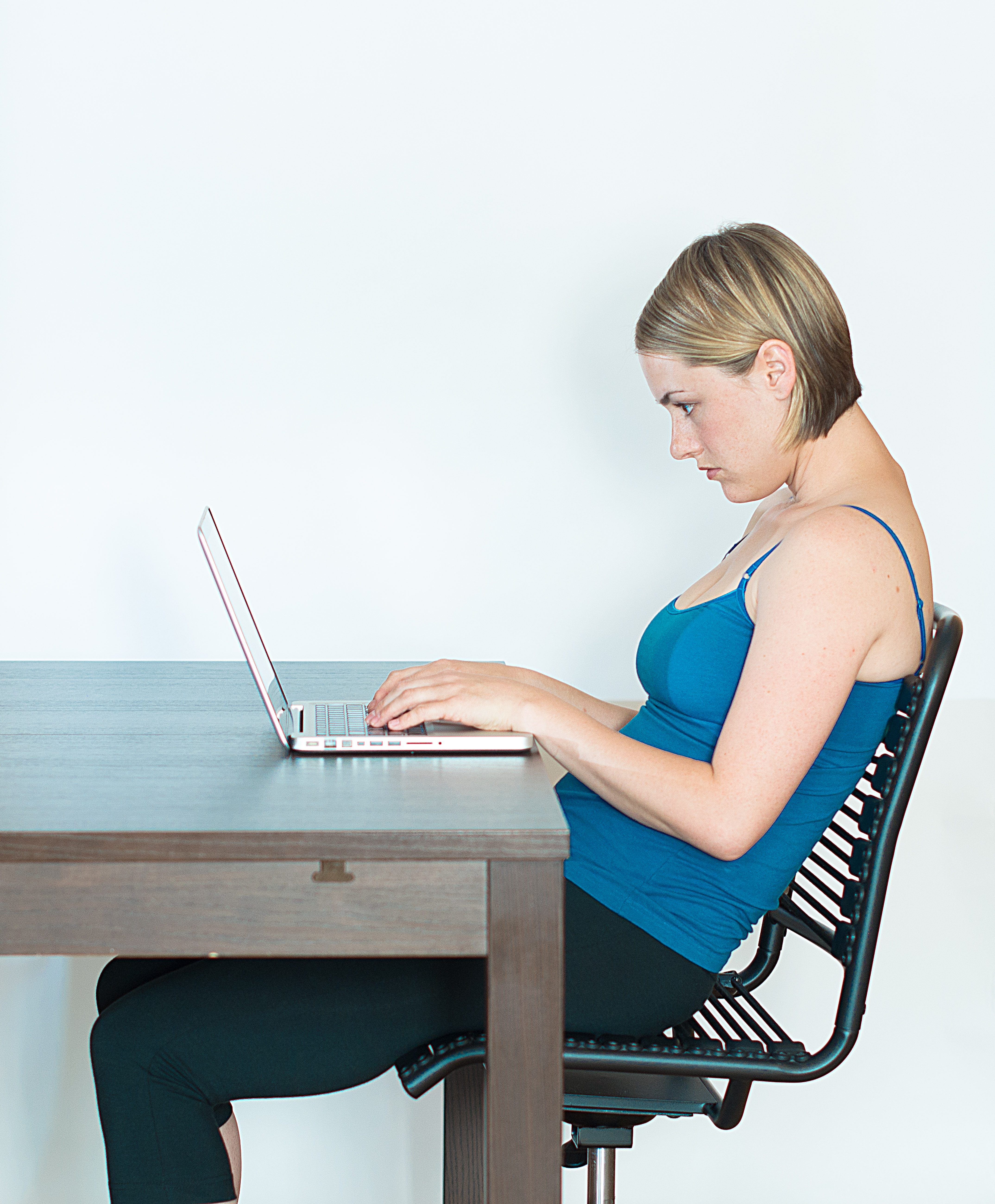
Curves are a normal part of the spine’s structure. Looking at the spine from a lateral view, the spine resembles a soft ‘S’ shape.  A healthy back has three natural curves: a slight forward curve in the neck (cervical lordosis curve), a slight backward curve in the upper back (thoracic kyphosis curve), and a slight forward curve in the low back (lumbar lordosis curve). Good posture actually means keeping these three curves in balanced alignment. Long periods of sitting, especially in a slumped or slouched position, can alter those curves and increase strain to the body. Strong and flexible muscles also are essential to good posture. Abdominal, hip, and leg muscles that are weak and/or inflexible cannot support your back’s natural curves.

 Joe_Tatta_5.22.13_179_RTA common condition contributing to neck pain is forward head posture. Forward head posture occurs when the neck protrudes forward placing the head in front of the shoulders. The continuous forward pull of the head over taxes muscles of the upper back and puts excessive strain on the vertebrae. This position is often accompanied by rounding of the upper back and shoulders.

Poor posture plays a large role in many cases concerning lower back pain. Prolonged periods spent in a slouched position causes atrophy of the abdominal muscles and increased strain to the stabilizing ligaments in your lower back, creating a spine that is vulnerable to injury. Furthermore, this position promotes the shortening and tightening of the hip flexor (psoas) muscles which alters the distribution of forces on the spine, increasing the risk for herniated discs in your lower back.

read more

Joe TattaPain, Posture and Positioning
eating.jpg

5 Effective, Tactful Ways to Say ‘No!’ to Overeating

Picture this. You are at a birthday party. A friend pushes a humungous piece of chocolate cake into your hands and says, “Have another piece, it’s a party after all. You can afford to eat more.”

How do you respond when you are really not hungry? Try these tips:

1)  The Professor: Use this as a teaching moment. Hold up your hand and make a fist. Say, “Did you know this is the actual size of your stomach? It’s amazing to think about how much we try to put in there!”

2) The Parent: It’s okay to say no. It’s as simple as that. Too often, we are afraid to put down limits. Say “no” politely, but with conviction. Practice when you are by yourself to make the words come out effortlessly. Other people easily push past a wishy-washy no.

3) The Therapist: Remember that the comments people make are often a reflection of their own fears and insecurities. Offering reassurance may help to take the pressure and focus off of you. Say, “It sounds like you would like another piece of cake. Go for it!”

4) The Magician: Try to divert and deflect. Be sure to hand out a compliment, “The cake is fantastic! Do you have the recipe?” This can redirect the focus from eating to learning how to make it.

5) The Comedian: Say, “No, thank you!  If only eating healthier was a “piece of cake.”  Keep it light-hearted.

Download the free Mindful Eating Pledge, 5 essential steps to stop stress eating and eating more mindfully today or sign up for the Mindful Eating Summit, online interviews with 20 top experts who will give their best tips and advice on eating more mindfully.

Today’s guest blog was written by Dr. Susan Albers, New York Times Bestselling Author of EatQ and Cleveland Clinic psychologist.  Learn more by visiting www.eatingmindfully.com

read more
Joe Tatta5 Effective, Tactful Ways to Say ‘No!’ to Overeating
running-feet.jpg

The Transition to Triathlete- [A Physical Therapist Perspective]

As a lifelong athlete, the transition between team sports in high school and college to individual fitness has been challenging. In an effort to push myself and up my fitness level I signed up for a sprint triathlon 2 summers ago. A 1/2 mile swim, 14 mile bike, and 3.1 mile run lay ahead of me. Although participating as an individual, for the first time since I had stepped off the basketball court the drive to compete and make myself better took over. Are you thinking of signing up for a triathlon but unsure how or where to begin?Here is my guide to some of the more common questions regarding triathlon training and injury prevention.

Do I have to be a good biker, runner, and Swimmer to do a triathlon?

You do not have to be a good biker, runner, and swimmer to do a triathlon. The most important part of a successful triathlon is safety.  Know your race course prior to the race and the rules. Stay well hydrated and practice proper nutrition.

In terms of the swim, is there a current in the water you will be swimming in and which direction will it go? 

A beginner triathlete should stay at the back and out wide of the swim pack since the start can be crowded and physical.  During the swim there are kayaks and boards in the water to grab onto should the triathlete run into trouble.

In terms of biking, are there any sharp turns, uneven surfaces or high traffic areas during your bike? 

Make sure you check out your bike before the race.  Make sure there is nothing in the tires that can cause a flat, and that they are properly inflated, and check the brake pads for wear and in proper position.The run is the safest which is why it is last.  You can always walk as needed. There are different lengths of triathlons so you do not have to be good at all the disciplines. Start off with a sprint distance and build up.  Make sure you are training each event properly and ensure you practice your transitions, especially the bike to run.

How far in advance should I start training?

That is dependent upon the length of the race you are training for and how in shape/active you are prior to beginning your training.  If you know the mechanics of the swim, bike, and run, are in fairly good shape and want to do a sprint race, give yourself a minimum of 2 months.  If you need to learn technique, are fairly inactive at baseline, or are planning for a longer race (ie full Ironman or half Ironman), more time is required. I would estimate anywhere from 6 months minimum to 1 year, also depending on race goals and weekly hours available for training.

Besides the obvious biking, running, and swimming are there a few exercises (weights) that I should be doing to avoid injury?

YES!!!  Cross training is very important.  Thinking about the demands of each event, anterior musculature gets very tight.  For example, pecs and anterior shoulder in the swim & bike, hip & neck flexors on the bike, and hip flexors, calves, quads with the run, just to name a few.  Quad, hip flexor, calf, pec, and neck stretching is very important, It is also a good idea to invest in a foam roller. In terms of strengthen exercises core stability is important:  planks (front & side), rotations with weighted medicine ball, etc.  For lower extremity I like a variation of squats and lunges, as well as resisted side stepping as to not neglect the gluteus medius which is really needed for stability during the events.

For upper body pushing activity for chest (push up, chest press), follow by pulling (rows, lat pulldowns, pull up).  I also like to add in scapular stability (ie external rotation & middle/lower trap T/Y exercises) This is widely neglected and can result in shoulder impingement symptoms during the swim and is needed for upper body support during the bike. Not all of these exercises & stretches need to be done in one session.  I would recommend one session of cross training per week, then incorporating the stretches and a couple of the exercises into each workout (ie, after a bike workout, stretch out the hips, quads and pecs, do a few sets of pushups and planks:  DONE!)

What equipment will I need to invest in?

A bike, helmet and all the bike support equipment.  You may want bike gloves as well. It is also important to learn how to fix a flat tire and keep spare inner tubes, tire levers, and a CO2 cartridge in a saddle bag under your seat. You should also have a good tire pump at home. For the swim, if it is open water you will want a wetsuit and goggles.  The wetsuit will keep you warm in cold water and provide buoyancy. Body glide helps to get your wetsuit on and prevents chaffing of the skin.
The run is easy:  running sneakers!

charissa

Any motivational training tips?

Have fun with your training, it can be a lot.  Have a good training plan to follow so you feel organized, but don’t get down if you miss a session or it doesn’t go as planned.  Also, remember to add in rest and active recovery days.  If your body is struggling, it is saying it needs a break and listen to it.  Your training will be better off for it.  The next session you will come back feeling stronger and more energized! Happy training and good luck!

With each triathlon I have participated in, I learn something new about myself and my training. Below is a picture of my dad and I after completing my first sprint triathlon. The following year I crushed by time by 13 minutes!

For more information on training tips and injury prevention visit us at www.premierptny.com

Charissa Morrisroe, DPT

read more
Joe TattaThe Transition to Triathlete- [A Physical Therapist Perspective]