
Blog

Latest News and Updates

Lebensmittel-Pfannkuchen-Beeren.jpg

How Much Protein Do I Need? [pancake recipe included]

How much protein one needs is a question patients ask in physical therapy. Here are a few quick tips to follow when you are thinking about protein in your diet.

Protein is essential for life and provides the building blocks for cells in your body. Protein is responsible for building and repairing our skin, muscle, joints, tendons, ligaments, not to mention hormones and neurotransmitters used to communicate amongst the musculoskeletal system, nervous and endocrine system.  The most convenient sources or protein are meat, poultry, fish, eggs, nuts and beans. If you are vegan soy is one of your best choices.

How Much Protein Do I Need?

On average a sedentary healthy adult requires about 0.8 grams of protein per kilogram of body mass. That is about 55 grams per day for a 150 pound person. However protein requirements increase depending on how active you are.

Do Certain People Require More Than Average?

Protein needs vary based on your health and physical activity. Those who might require increased amounts of protein in their diet for include:

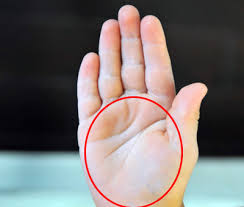
images-3Without getting lost in grams and pounds there is an easy way to measure how much protein you should be serving yourself at each meal.For the average male you should have 2 palm size servings of protein at each meal, for women one palm size serving.

Protein does not always have to come from meat. Try this great recipe for quinoa protein pancakes.

Ingredients

  • 1 Egg
  • 1 Cut Coconut or Almond Milk
  • ½ t. Lemon Juice
  • 2 T. Coconut Oil
  • 2 C. Coconut or Almond Flower
  • 1 T. Coconut Palm Sugar
  • 2 t. Baking Powder
  • 1 t. Baking Soda
  • 1 t. Salt
  • 2 C. Red Quinoa, cooked

Combine all ingredients in a mixing bow. Makes ~ 10 pancakes

Enjoy

Joe Tatta, DPT

www.premierpnty.com


read more
Joe TattaHow Much Protein Do I Need? [pancake recipe included]
maxresdefault.jpg

[Low Back Pain] Physical Therapy or MRI?

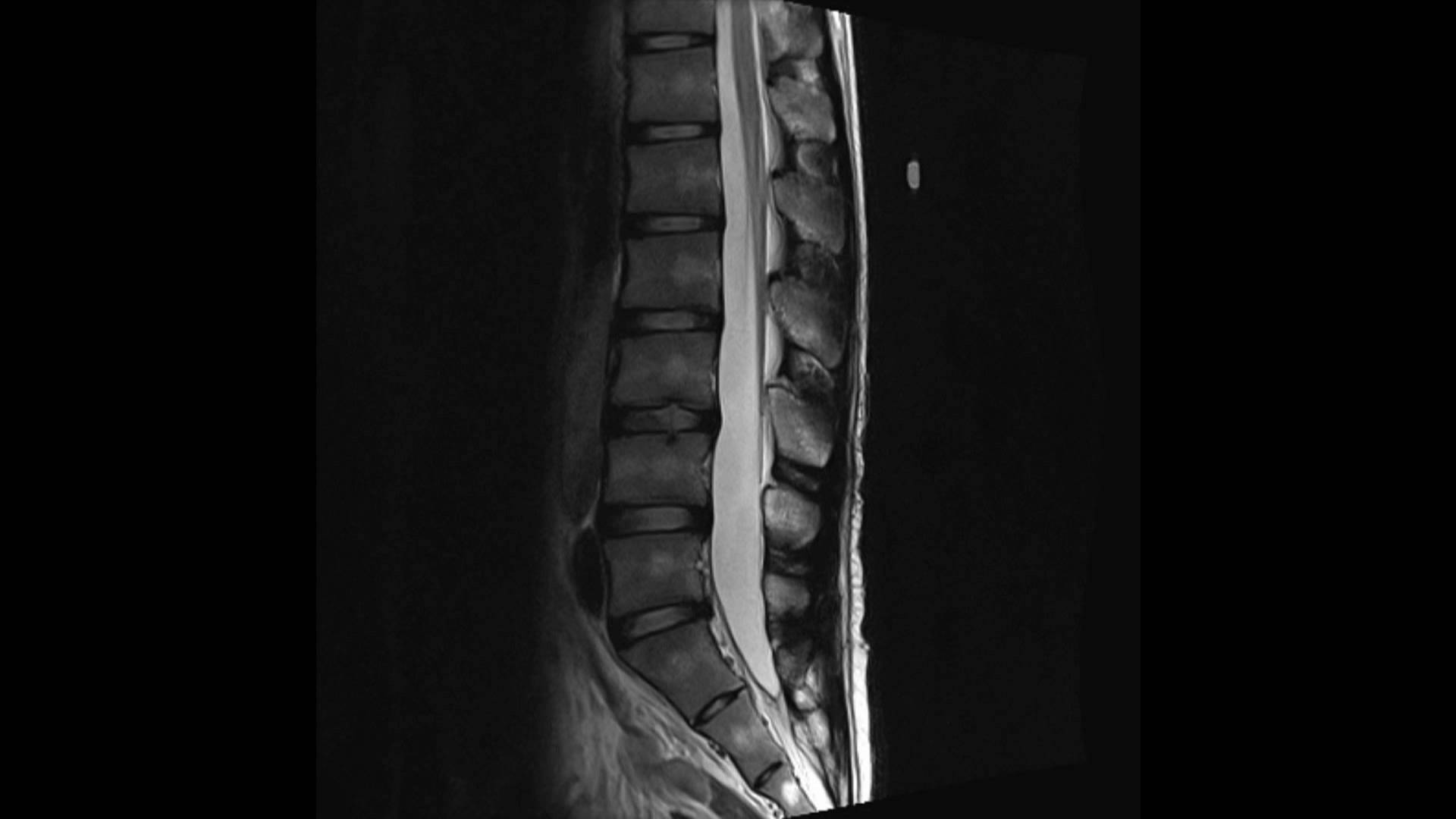
Low back pain (LBP) is listed as one of the top 3 reasons why people visit their physician, with as many as 80% of Americans experiencing at least one episode of low back pain in their lifetime. LBP can be severe and often disabling, and can frequently lead to emergency room visits, numerous expensive tests, and a variety of different medications. The most common prescribed tests are X- Rays and Magnetic Resonance Imaging (MRI), which can provide excellent images of bone and soft tissue pathology. X-rays provide a picture of the bone structure of the spine, and can show arthritic or degenerative changes as well as bone fractures. MRI’s can display these same bone changes, as well as disc, ligamentous, and soft tissue injury.

read more
Joe Tatta[Low Back Pain] Physical Therapy or MRI?
some-assembly-required-ikea-bekant-ergonomi_616-e1425301852608.jpg

Work at Your Desk [Standing]

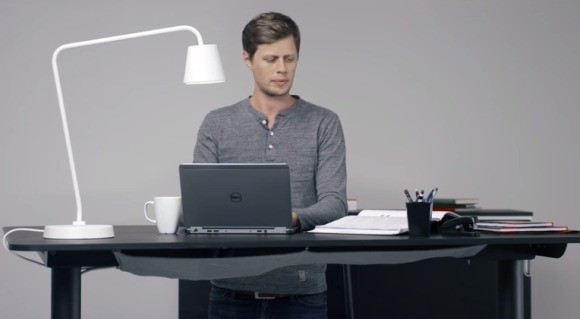
We were built to stand and move, not sit on our butts all day. When you sit for prolonged periods the muscles of the hips and spine tighten and your legs become weak. Even the best chair places you in a sedentary position where maintaining perfect posture is near impossible.

read more
Joe TattaWork at Your Desk [Standing]
The-AlterG-Antigravity-Treadmill.jpg

How to return to running after injury or surgery- pain-free! [video]

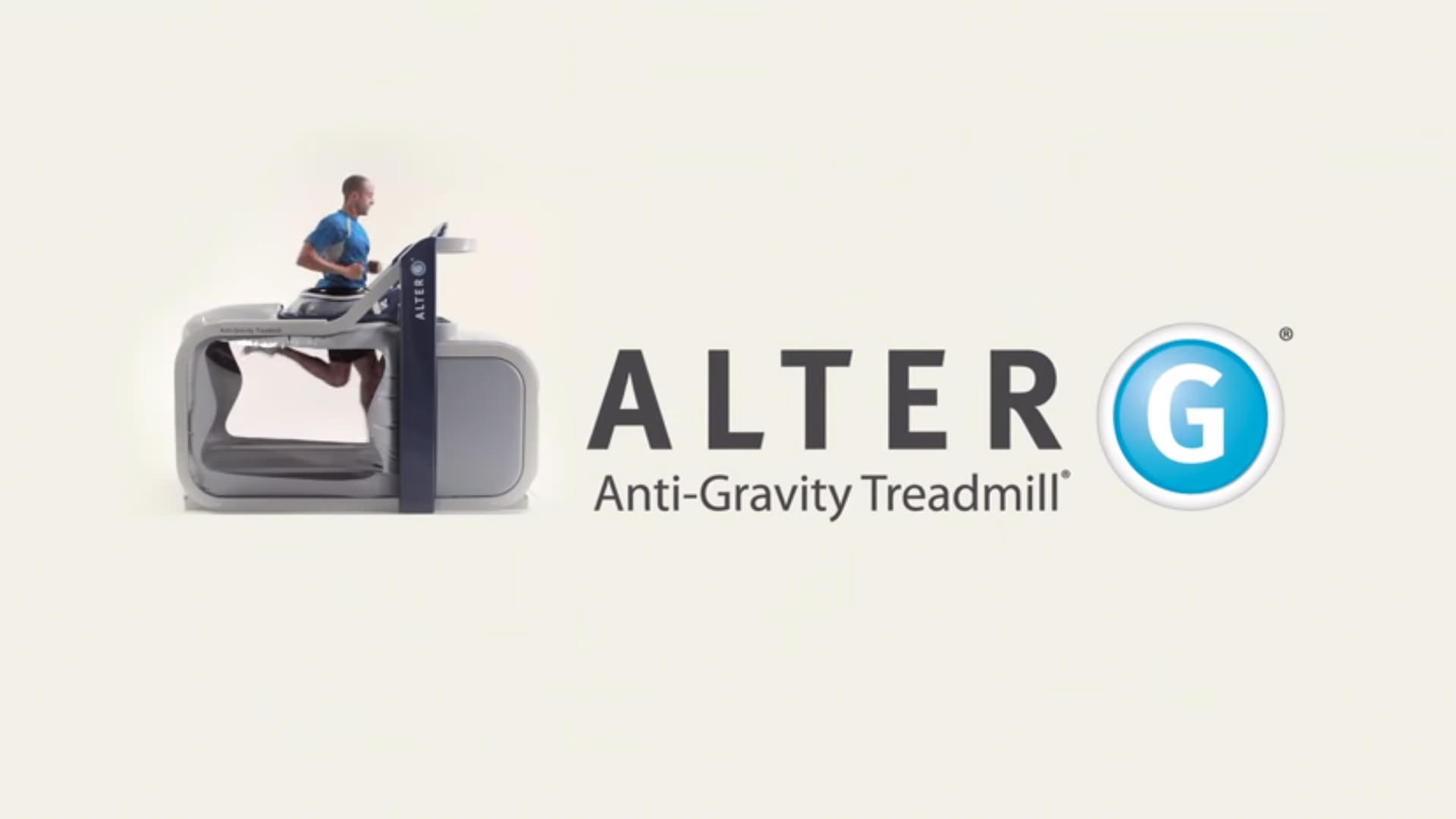
It’s possible with the AlterG anti-Gravity Treadmill!

Premier Physical Therapy and Wellness now uses the AlterG antigravity treadmill as part of your physical therapy program, exclusively at our 7 Dey Street location in the financial district. Using technology designed for NASA engineers, the AlterG enables everyone from the athlete to the aching to walk or run while decreasing the impact and stress on the joints of your back, hips, knees, feet.

How it Works

The AlterG uses advanced differential air pressure technology to generate a powerful lifting force, which provides precise unweighting in 1% increments from 20% body weight up to 100% (full weight bearing). The client uses custom shorts and zips into the airtight chamber, which then becomes pressurized and adjusts to their exact body weight to allow for total control over the amount of weight bearing.

read more
Joe TattaHow to return to running after injury or surgery- pain-free! [video]
maxresdefault2.jpg

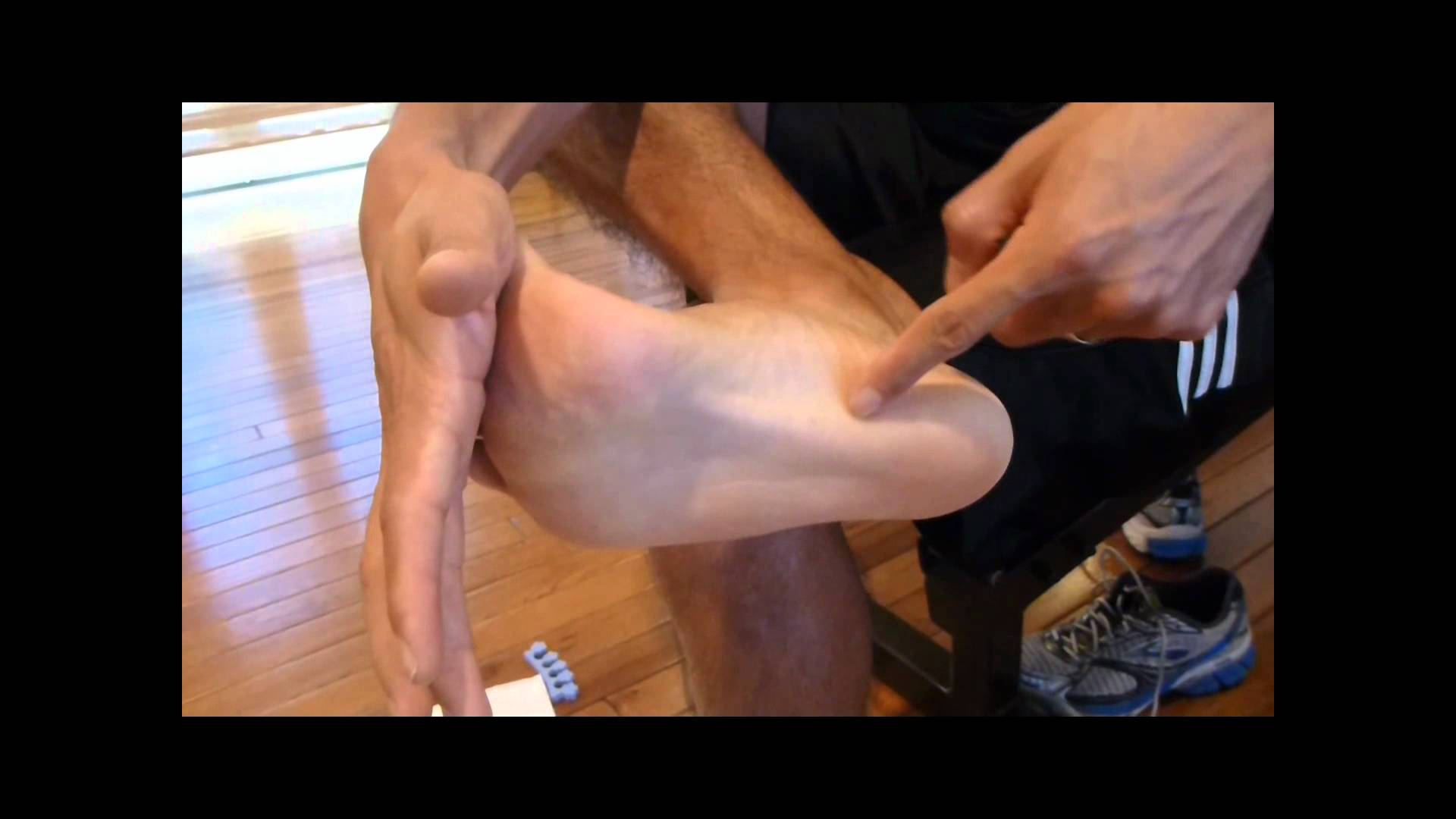
Healing Plantar Fasciitis & Foot Pain

Do the first steps out of bed in the morning cause intense pain in bottom of your heel or foot?

If yes, you may be suffering with plantar fasciitis. Plantar fascia pain can be felt at the heel, along the arch and the ball of the foot. The plantar fascia is a thick band of tissue connecting the heel to the ball of the foot. Its main purpose is to support the arch of your foot during standing, walking and running.

read more
Joe TattaHealing Plantar Fasciitis & Foot Pain
Heliskiing2_06.jpg

3 Exercises for Ski Season [Prep & Injury Prevention]

Do you have a ski trip planned? Watch this free video to help prevent injury and improve your performance. With the mounds of snow we have in the northeast our clients are hitting the slopes in droves! Our mission is to help you prevent an injury, whether you’re a blue cruiser or tackling a black diamond.

read more
Joe Tatta3 Exercises for Ski Season [Prep & Injury Prevention]
maxresdefault1.jpg

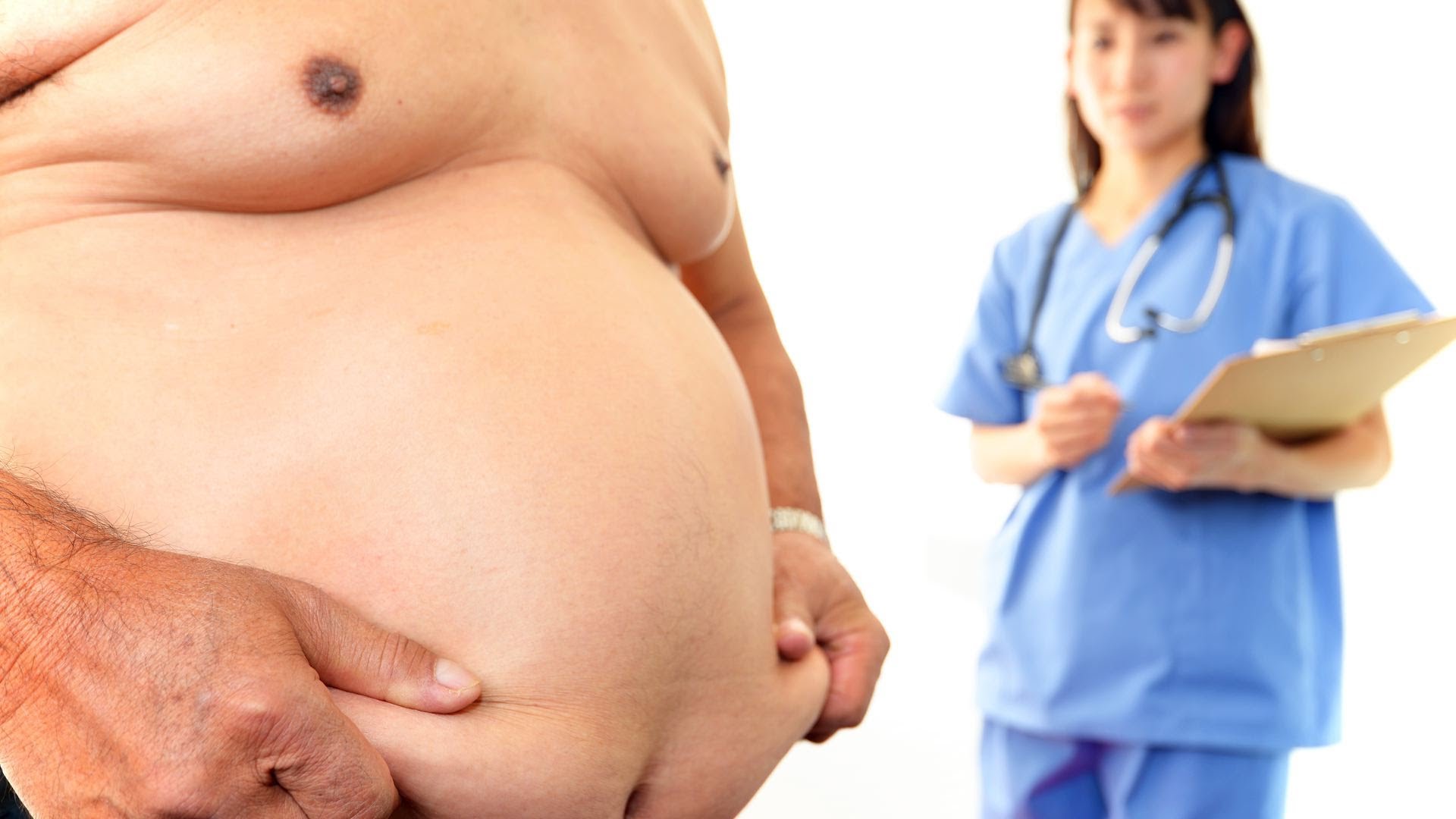
Painful, Depressed and Packing on the Pounds

Depression is a brain disorder that can lead to a great deal of emotional anguish and have major effects on your body. Not only is it possible for depression to cause physical symptoms, it can also increase your risk for certain physical illnesses. In turn, there are many painful physical conditions and injuries that can leave you feeling depressed.

read more
Joe TattaPainful, Depressed and Packing on the Pounds