
Depression is a brain disorder that can lead to a great deal of emotional anguish and have major effects on your body. Not only is it possible for depression to cause physical symptoms, it can also increase your risk for certain physical illnesses. In turn, there are many painful physical conditions and injuries that can leave you feeling depressed.
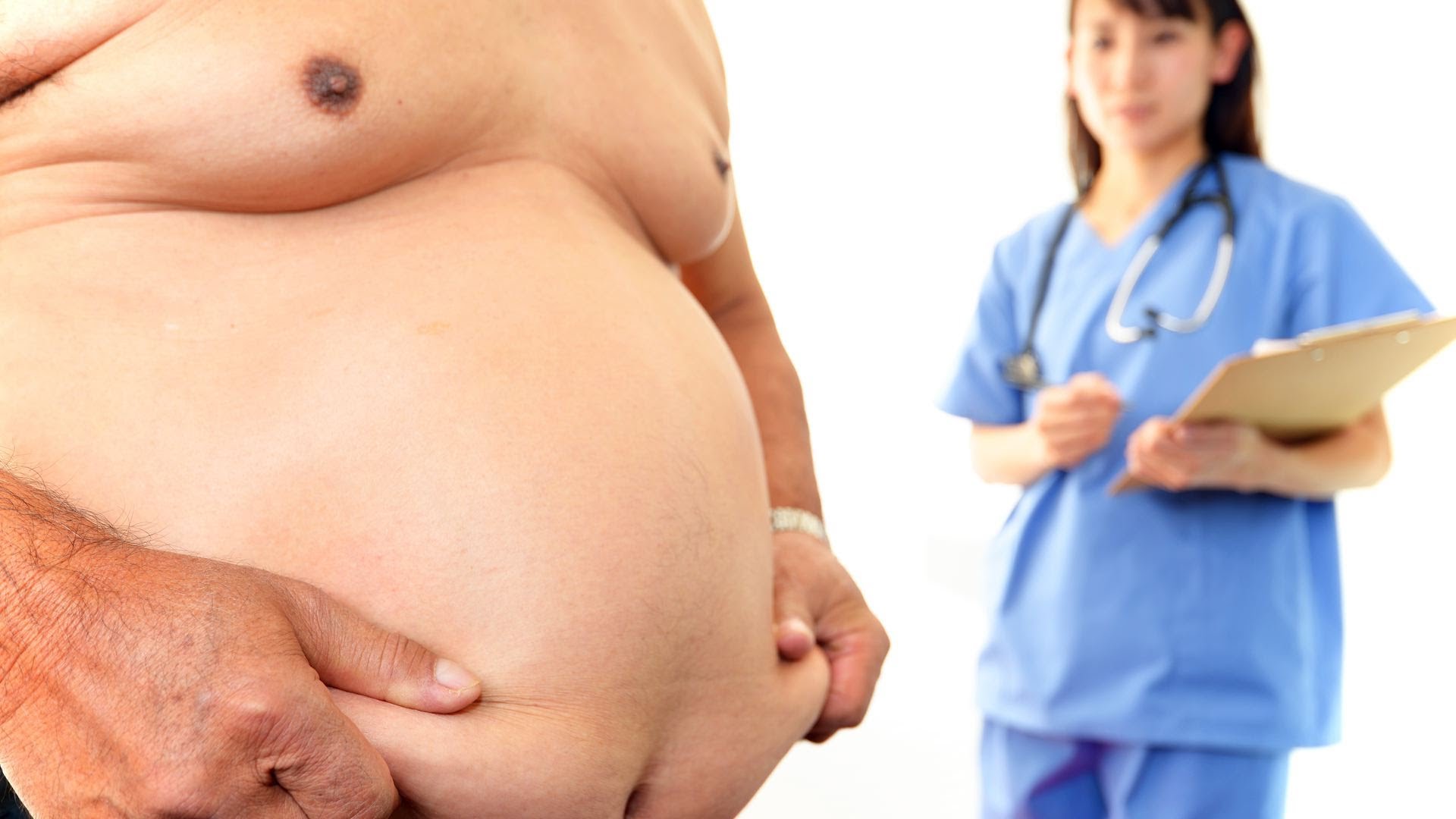
Contrary to what many people think, depression is not as simple as feeling sad and needing to be cheered up. True depression is because of changes in the brain, such as abnormal functioning neurotransmitters (the brain’s messengers) altering your pain threshold. When your pain threshold is lowered you become much more sensitive to pain, this is especially true for back pain. It makes sense that when you are not feeling well mentally and you are physically hurting you are less likely to exercise and monitor your caloric intake, which leads to weight gain. This is a vicious cycle because the added weight on your body can make physical injuries even more painful and harder to recover from which can circle right back to leading to depression.
There are many telltale signs of depression, but a few of the most common physical symptoms are:
- Increased aches and pains – this is true in roughly two out of three people with depression
- Decreased interest in sexual activity
- Chronic fatigue
- Sleep problems – such as insomnia, lack of deep sleep or oversleeping
Your physical and mental health are intricately woven together, with one greatly affecting the other. Many people with depression find it difficult to follow instructions such as how to properly take medication prescribed to them or follow simple exercises at home to help relieve the pain and discomfort they are feeling. This is where physical therapy can help whether you are suffering from an injury or a chronic condition such as rheumatoid arthritis or others.
A licensed physical therapist will develop a plan that best meets all of your needs. Our focus will not only be on reducing your pain, but also increasing your muscle strength and flexibility while getting you to and helping you maintain a healthy weight. Being at a healthy weight will always help you to recover faster.
Just as physical pain and weight gain can lead to depression, losing weight and improving physical mobility, with the help of a physical therapist, can help improve the symptoms of depression.
Contact us at www.premierptny.com to learn how a physical therapist can help alleviate the pain and weight gain cycle.
In good health
Joe Tatta, DPT
Becofsky KM. A Prospective Study of Fitness, Fatness, and Depressive Symptoms. Am J Epidemiol. 2015 Feb 17
Pan A. Bidirectional association between depression and obesity in middle-aged and older women. Int J Obes (Lond). 2012 Apr;36(4):595-602.
Join the conversation