
As a lifelong athlete, the transition between team sports in high school and college to individual fitness has been challenging. In an effort to push myself and up my fitness level I signed up for a sprint triathlon 2 summers ago. A 1/2 mile swim, 14 mile bike, and 3.1 mile run lay ahead of me. Although participating as an individual, for the first time since I had stepped off the basketball court the drive to compete and make myself better took over. Are you thinking of signing up for a triathlon but unsure how or where to begin?Here is my guide to some of the more common questions regarding triathlon training and injury prevention.
Do I have to be a good biker, runner, and Swimmer to do a triathlon?
You do not have to be a good biker, runner, and swimmer to do a triathlon. The most important part of a successful triathlon is safety. Know your race course prior to the race and the rules. Stay well hydrated and practice proper nutrition.
In terms of the swim, is there a current in the water you will be swimming in and which direction will it go?
A beginner triathlete should stay at the back and out wide of the swim pack since the start can be crowded and physical. During the swim there are kayaks and boards in the water to grab onto should the triathlete run into trouble.
In terms of biking, are there any sharp turns, uneven surfaces or high traffic areas during your bike?
Make sure you check out your bike before the race. Make sure there is nothing in the tires that can cause a flat, and that they are properly inflated, and check the brake pads for wear and in proper position.The run is the safest which is why it is last. You can always walk as needed. There are different lengths of triathlons so you do not have to be good at all the disciplines. Start off with a sprint distance and build up. Make sure you are training each event properly and ensure you practice your transitions, especially the bike to run.
How far in advance should I start training?
That is dependent upon the length of the race you are training for and how in shape/active you are prior to beginning your training. If you know the mechanics of the swim, bike, and run, are in fairly good shape and want to do a sprint race, give yourself a minimum of 2 months. If you need to learn technique, are fairly inactive at baseline, or are planning for a longer race (ie full Ironman or half Ironman), more time is required. I would estimate anywhere from 6 months minimum to 1 year, also depending on race goals and weekly hours available for training.
Besides the obvious biking, running, and swimming are there a few exercises (weights) that I should be doing to avoid injury?
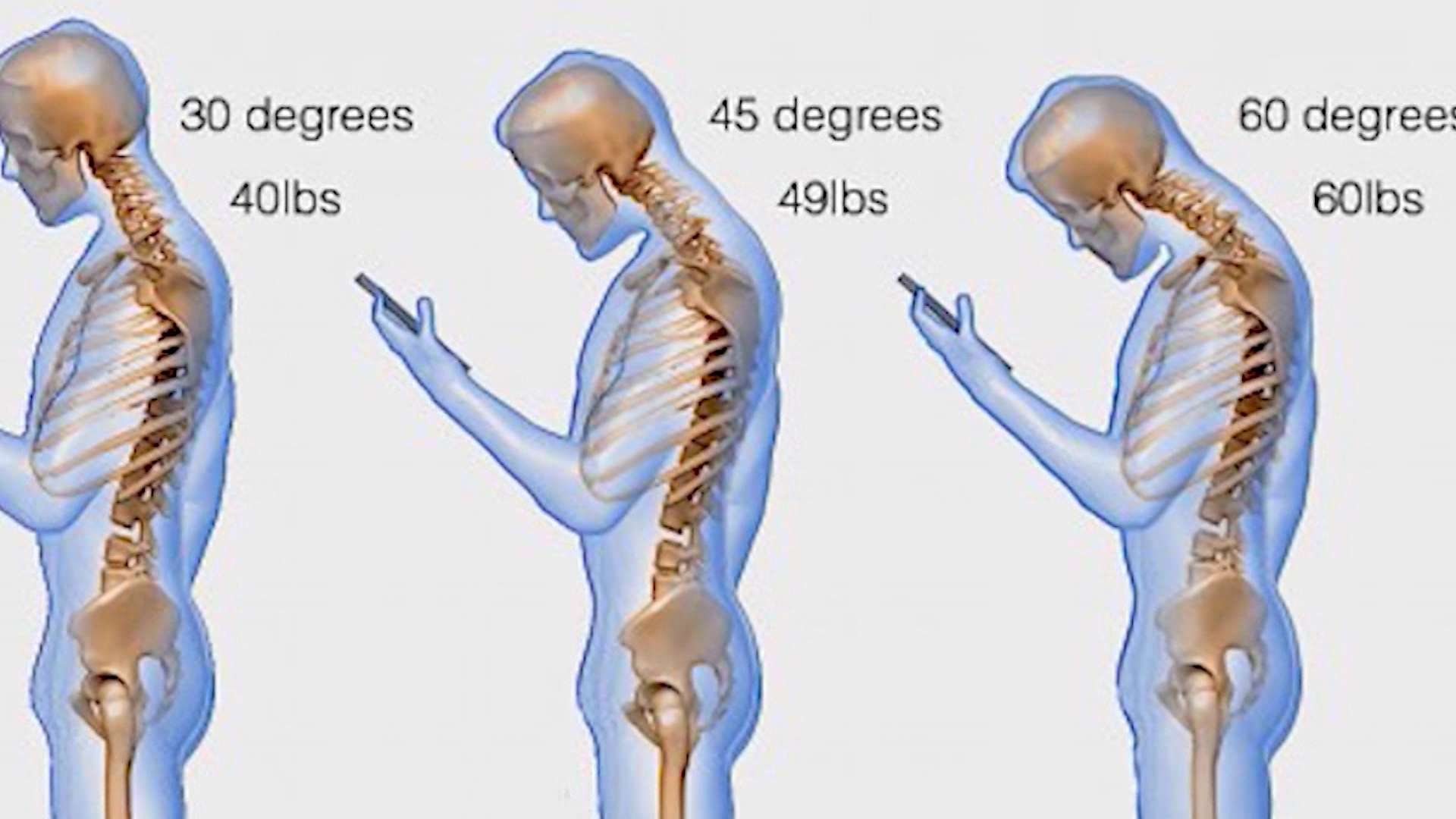
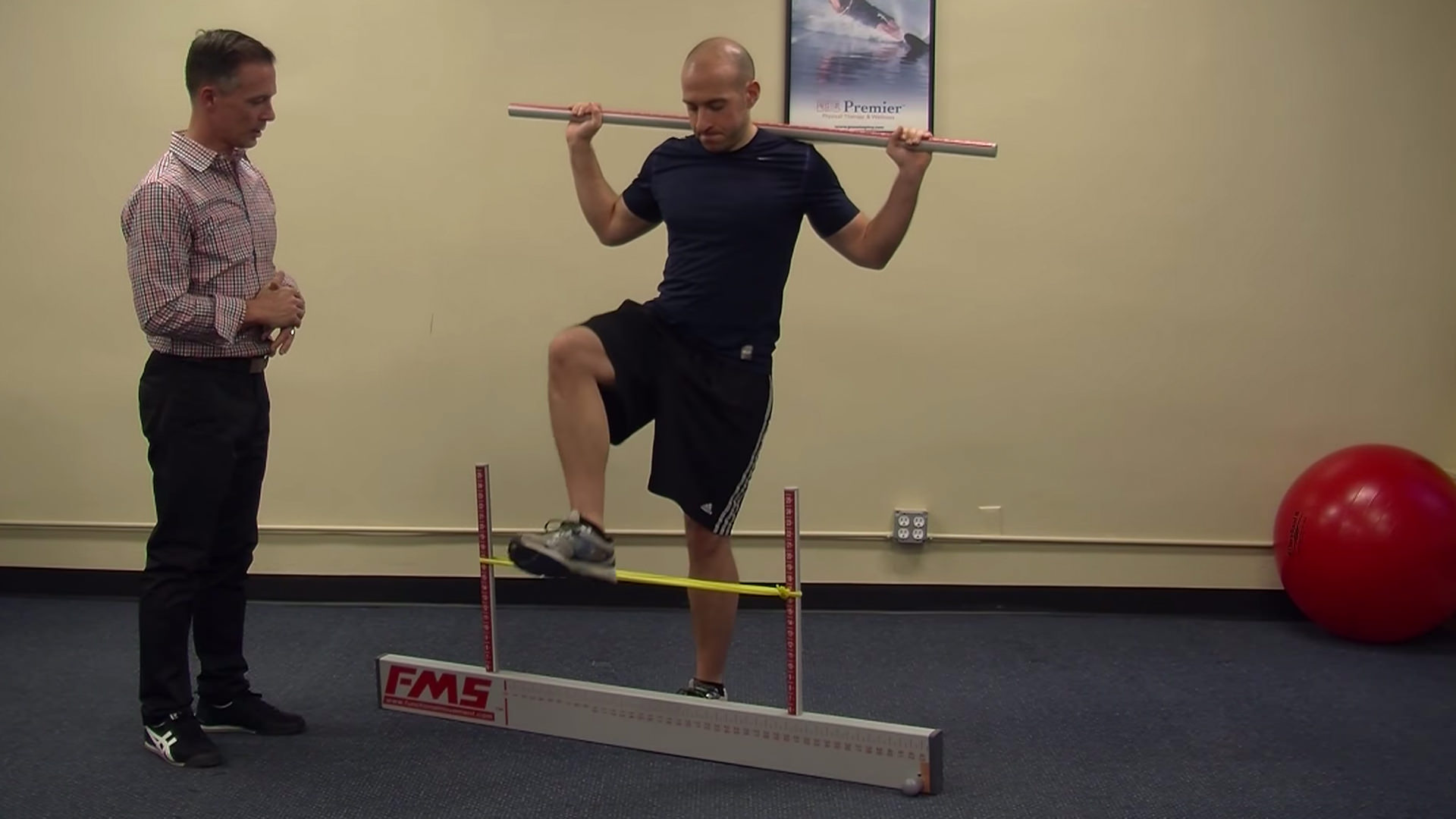
YES!!! Cross training is very important. Thinking about the demands of each event, anterior musculature gets very tight. For example, pecs and anterior shoulder in the swim & bike, hip & neck flexors on the bike, and hip flexors, calves, quads with the run, just to name a few. Quad, hip flexor, calf, pec, and neck stretching is very important, It is also a good idea to invest in a foam roller. In terms of strengthen exercises core stability is important: planks (front & side), rotations with weighted medicine ball, etc. For lower extremity I like a variation of squats and lunges, as well as resisted side stepping as to not neglect the gluteus medius which is really needed for stability during the events.
For upper body pushing activity for chest (push up, chest press), follow by pulling (rows, lat pulldowns, pull up). I also like to add in scapular stability (ie external rotation & middle/lower trap T/Y exercises) This is widely neglected and can result in shoulder impingement symptoms during the swim and is needed for upper body support during the bike. Not all of these exercises & stretches need to be done in one session. I would recommend one session of cross training per week, then incorporating the stretches and a couple of the exercises into each workout (ie, after a bike workout, stretch out the hips, quads and pecs, do a few sets of pushups and planks: DONE!)
What equipment will I need to invest in?
A bike, helmet and all the bike support equipment. You may want bike gloves as well. It is also important to learn how to fix a flat tire and keep spare inner tubes, tire levers, and a CO2 cartridge in a saddle bag under your seat. You should also have a good tire pump at home. For the swim, if it is open water you will want a wetsuit and goggles. The wetsuit will keep you warm in cold water and provide buoyancy. Body glide helps to get your wetsuit on and prevents chaffing of the skin.
The run is easy: running sneakers!

Any motivational training tips?
Have fun with your training, it can be a lot. Have a good training plan to follow so you feel organized, but don’t get down if you miss a session or it doesn’t go as planned. Also, remember to add in rest and active recovery days. If your body is struggling, it is saying it needs a break and listen to it. Your training will be better off for it. The next session you will come back feeling stronger and more energized! Happy training and good luck!
With each triathlon I have participated in, I learn something new about myself and my training. Below is a picture of my dad and I after completing my first sprint triathlon. The following year I crushed by time by 13 minutes!
For more information on training tips and injury prevention visit us at www.premierptny.com
Charissa Morrisroe, DPT
read more