
An injury can take you out of the game of life. When you are injured your priority becomes finding the quickest way to recover. Physical therapy is essential to healing your injury. But what role does food, diet and nutrition play?
Nutrition to Heal Your Injury
The inflammatory process is what initially happens when you are injured. Inflammation causes pain, swelling and redness. We have been taught (mostly through big pharma) that inflammation is bad- hence aggressive use of non-steroidal anti-inflammatory drugs prescribed daily. The inflammatory process should actually be called the HEALING process, as this is what is occurring on a cellular level.
The standard American diet is known to cause a pro-inflammatory state—not what you want when you are healing. A pro-inflammatory diet creates an unfavorable environment for tissue to heal. A diet high in processed foods, sugar and an imbalance of omega-6 to omega-3 fatty acids contribute to inflammation. Some of the foods and items that cause inflammation are:
- Refined sugar & artificial sweeteners
- High fructose corn syrup
- Hydrogenated oils and damages fats
- Processed meats (lunch, smoked)
- Commercial meat and dairy
- Farmed fish
- Processed Omega-6 oils (corn, soy, canola)
- Food additives (MSG, nitrates, nitrites)
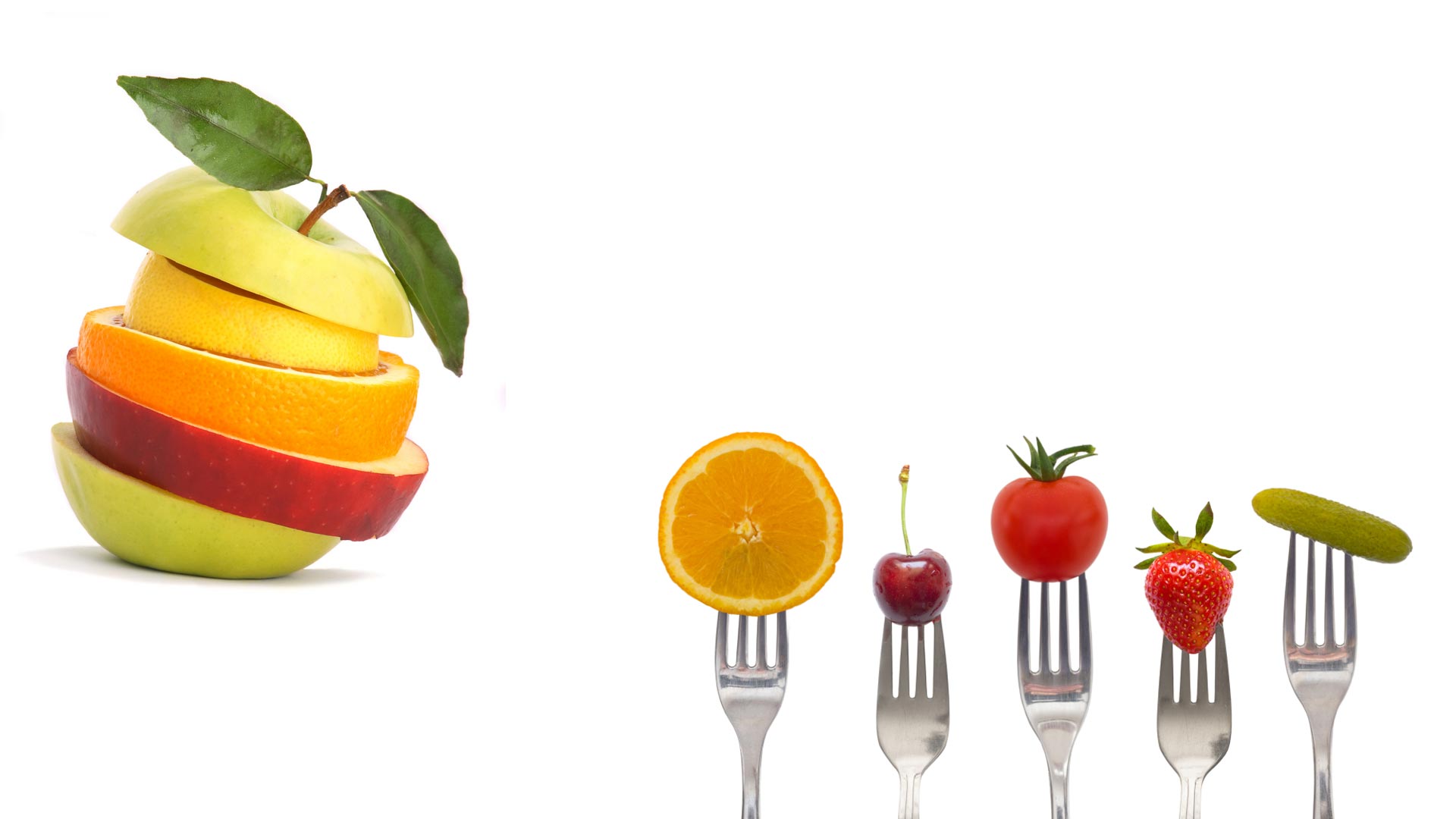
Proper nutrition will keep the healing process moving. Poor dietary choices can lead to deficiencies in essential vitamins and minerals. Below are a few major players in the healing process that you should be aware of as you’re filling your plate with nutritious foods. Consider the following foods and/or supplements to help moderate inflammation and promote tissue healing:
Foods Rich in Vitamin C
Vitamin C plays an important role in collagen formation and is a powerful antioxidant. Foods rich in vitamin C are guava, red bell pepper, broccoli, green bell peppers, strawberries, grapefruit, kohlrabi, papaya, Brussels sprouts, kiwi, mango, oranges.
Foods/Supplements Rich in Omega-3 Fats
 Omega-3 fats have been shown to decrease inflammation in patients with rheumatoid arthritis, improving pain and joint stiffness. Avoid farm raised fish as they have a high omega-6 content which can increase inflammation. Wild caught, cold water fish are high in omega-3 fatty acids. Other omega-3 rich foods are flax, chia, hemp, walnuts, leafy greens and fish oil.
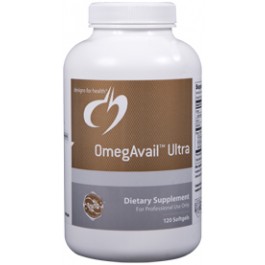
You can supplement with omega-3 fatty acids daily. Here is the omega-3 we use in our practice.
Foods Rich in Vitamin A
Vitamin A modulates the inflammatory process and helps strengthen collagen cross-links. Some foods high in vitamin A are carrots, pumpkin, sweet potato, spinach, collards, kale, watercress, beets, winter squash, tomatoes, dried apricots, mango.
Foods Rich in Copper
Copper works with vitamin A to strengthen connective tissue. Foods with copper include: mushrooms, green leafy vegetables, barley, soybeans, tempeh, sunflower seeds, navy beans, garbanzo beans, cashews, molasses, beef liver, oysters, lobster, crab, chocolate, cocoa powder.
Protein and Amino Acids
Protein is needed to rebuild muscle, tissue and heal. Increased protein is recommended during times of tissue repair (post-surgical, physical therapy, strength building) from the normal 0.8 grams/kilogram to ~1.5 grams/kilogram. At a minimum 1 gram of protein per pound of body weight is needed. Branched chain amino acids (valine, leucine, isoleucine) are especially helpful to decrease inflammation, assist in muscle repair, prevent oxidative stress and minimize recovery time. Chose high quality, organic sources of protein such as meat, poultry, fish, eggs and dairy. Supplementing with a protein shake is another strategy for obtaining the necessary protein and branched chain amino acids required for healing.
Here is the vanilla protein shake we use in our practice. This shake is dairy and gluten free and has all three branched chain amino acids necessary to assist the healing process. It can be used to supplement you protein needs, as a post-work out shake or as a meal replacement for those decreasing energy needs with the hope of loosing weight.
Other Tips
Keep a food journal trying to correlate the foods you eat with an increase in symptoms of pain or inflammation.
See if you notice any correlation. When is your pain better or worse? Do particular foods make a difference?
Many people find when they remove inflammatory foods or foods they react to, they have less joint pain.
Looking for more advice on healing, nutrition and weight loss?
Contact us at www.premierptny.com for more information.
In good health,
Joe Tatta, DPT
Join the conversation