
Is shoulder pain affecting your plans for the summer?
As summer approaches many experience shoulder pain, typically due to increased activity. Whether you aspire to athletic endeavors such as golf, baseball, tennis or prolonged activities such as gardening, shoulder pain is often the first sign of a muscle imbalance and weakness.
Rotator cuff problems are one of the many injuries we treat and resolve at Premier Physical Therapy. The two most common questions patients have for us are:
- What does this diagnosis mean?
- How can physical therapy help me return to normal?
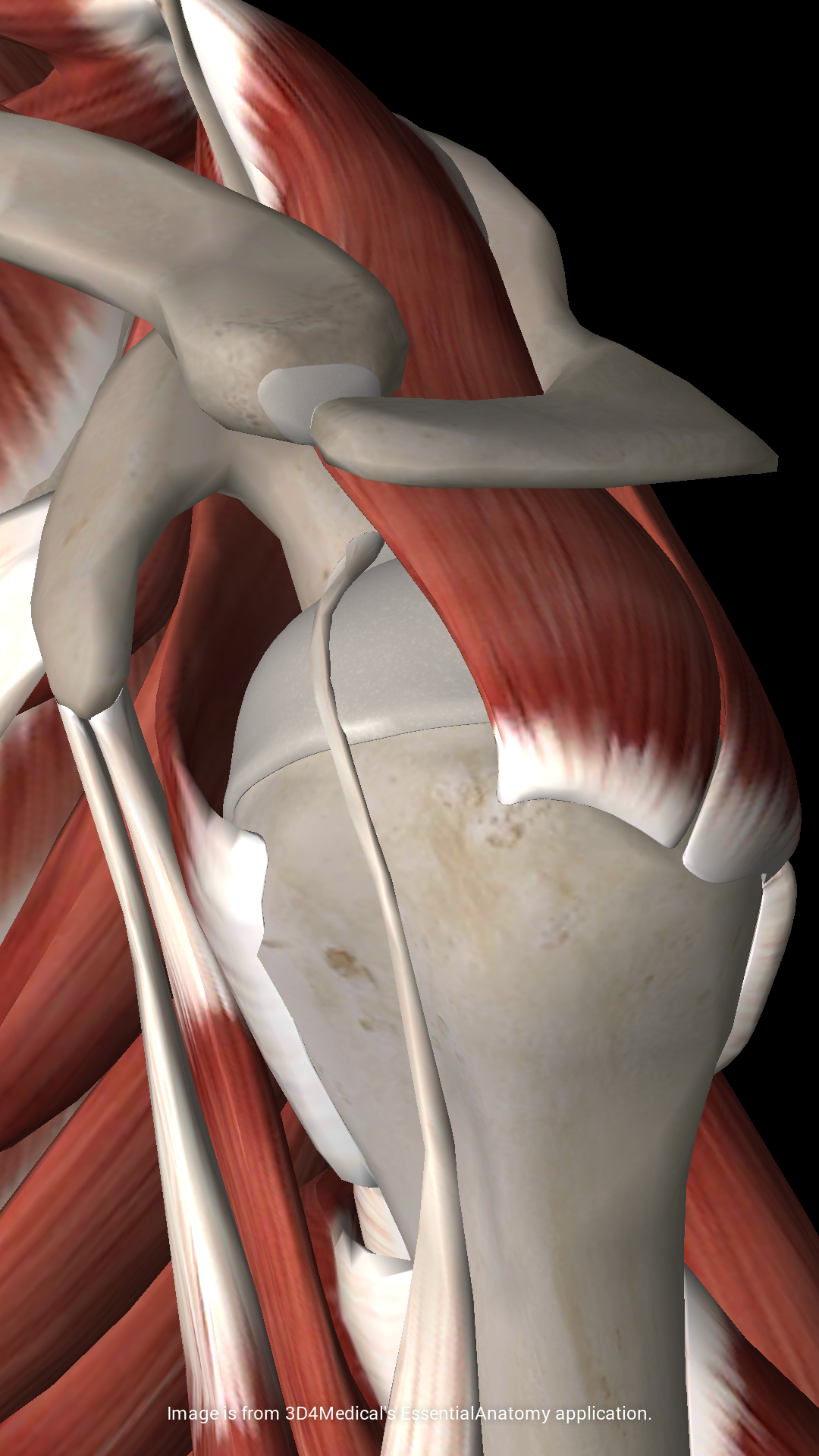
The shoulder is an extremely complex area of the body made up of four joints and a multitude of supporting ligaments and muscles. These structures work together to allow mobility needed to perform activities such as reaching to a high shelf or playing tennis. Since there is minimal stability within the shoulder, it is critical for all muscles to work together providing support during movement. When compromised, rotator cuff problems can occur resulting in pain with activity.1 Changes such as tendonitis, muscle tears and bone spurs are common. Muscular imbalances and ligament tightness within the shoulder joint are often the cause and can be treated conservatively, without surgery.2
After completing a comprehensive evaluation, your physical therapist will create an individualized program based on their findings. Common goals of  physical therapy are to help relieve pain, improve mobility and strengthen weak musculature while educating the patient on techniques to keep their shoulders “happy” and pain free. One key area that can help to relieve shoulder pain is posture. It has become more common for people to spend long periods of the day sitting in front of a computer. This causes people to demonstrate a rounded shoulder posture due to adaptive shortening of their pectoral muscles and weakness/adaptive lengthening of their scapular stabilizer muscles. By elongating (stretching) the tight pectoral muscles and strengthening the scapular stabilizer muscles the scapula is able to be in its proper position on the body, which can help to improve mobility. As a result, there will be less stress on other structures within the shoulder reducing compression on the rotator cuff muscles. It is also common for physical therapists to focus on strengthening the rotator cuff muscles utilizing therapeutic exercises. This is critical since these muscles are extremely important to provide support during quick or extreme movements. As therapy progresses, you will begin to incorporate sport or recreational activity specific activities so that you can get back on your field of choice or into the garden.
Citations:
- Neer CS. Impingement lesions. Clin Orthop. 1983; 173: 70-77.
- Ellenbecker TS, Manske RC, Kelley MJ. The shoulder: physical therapy patient management utilizing current evidence. In: Current Concepts of Orthopaedic Physical Therapy. 2011; 3: 20-29.
Join the conversation